
Most people picture a DC locksmith standing outside a locked door near midnight with a flashlight and a tension wrench. That image hides a larger truth. The locks protecting a home or storefront wear down, drift out of alignment, and quietly fall behind the risks they were bought to handle several years earlier.
Security rarely fails in one dramatic moment. It erodes through copied keys, sticking cylinders, and hardware nobody has inspected since installation day. A DC locksmith treated as a standing security resource rather than an emergency phone number catches those small failures early, while a short service visit still solves the entire problem for a modest cost.
The Security Gap Hiding in Ordinary Door Hardware
Keys That Keep Circulating after You Move In: Every key ever cut for a property stays in circulation until the lock is rekeyed. Former tenants, contractors, cleaners, dog walkers, and a landlord spare drawer all represent copies outside your control. Rekeying resets the pin configuration so old keys stop working, and it costs far less than replacing sound hardware.
Hardware That Fails Long before It Breaks: Locks decline gradually because springs and pins absorb thousands of small stress cycles every year. That process, known as metal fatigue, weakens internal components until a key starts binding or a bolt stops throwing fully. The door still closes, so the warning gets ignored, and the failure arrives on the busiest morning of the month.
See also: Challenges in Building Event-Based Platforms
What Delay Costs once a Lock Starts Sticking
Repairs That Grow Larger the Longer They Wait: A sticking key is a repair. A snapped key inside a seized cylinder becomes a replacement, often with drilling and new mounting work. Locksmiths working across older row houses and mixed-use buildings in the District routinely see doors where a brief adjustment was postponed until the entire lockset had to come off.
Options That Narrow with Every Postponed Visit: Delay removes choices. Early on, a worn cylinder can be serviced, rekeyed, or upgraded on your own schedule during ordinary business hours. Once the lock seizes or the key snaps, the remaining path is emergency work at whatever hour the failure happens, with hardware chosen for availability rather than fit.
Rekeying, Replacement, and High-Security Upgrades Compared
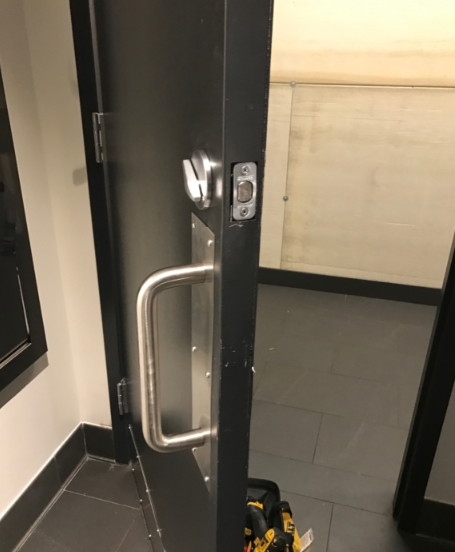
Rekeying Works When the Hardware Is Still Sound: Rekeying changes the internal pin arrangement so existing keys no longer operate the lock, while the original hardware stays on the door. A DC locksmith can finish most residential rekeys on site in one visit, which suits move-ins, staff turnover, and lost keys. It does nothing for hardware that was already weak.
Replacement Earns Its Cost When Metal Is Compromised: Replacement makes sense once the lock body is damaged, badly worn, or reacting with the metal around it. Exterior hardware exposed to moisture can suffer galvanic corrosion where dissimilar metals meet, pitting the mechanism from within. New hardware also opens the door to deeper strike plates, longer screws, and stronger bolts.
High-Security Cylinders Answer a Different Problem: High-security cylinders address key control and forced entry rather than everyday wear. Restricted keyways stop copies from being cut at a hardware counter, and hardened inserts resist drilling and picking. The trade-off is a higher upfront price and the need to order duplicates through an authorized channel rather than on impulse.
Planned Lock Care Protects Property Value and Peace of Mind
Small Service Visits That Prevent Expensive Emergencies: Scheduled attention costs a fraction of emergency work. Cleaning and lubricating cylinders, tightening loose strike plates, and correcting door alignment extend hardware life by years. Across a rental portfolio or a small business, one planned visit each season removes most of the after-hours calls that drain staffing budgets and tenant goodwill.
Key Control That Holds up through Constant Turnover: Master key systems give property managers layered access without a crowded key ring. One system can let a maintenance tech into utility spaces while keeping residential units closed to that same key. In a city built on short-term rentals, shared entries, and frequent moves, access stays accountable as occupants change.
Warning Signs That Call for a Lock Assessment
Signals Worth Acting on before the Next Season: Doors give warning long before they fail, and the signals are easy to read once you know what they mean. A DC locksmith treats each of the following as evidence that a cylinder, strike plate, or door frame needs attention ahead of the next stretch of heat, humidity, and freezing nights.
- A key that must be jiggled, lifted, or angled to turn signals internal wear inside the cylinder.
- A deadbolt that will not throw fully unless the door is pulled tight points to frame movement or strike misalignment.
- Rust, green residue, or chalky buildup around the keyway means moisture has already reached the mechanism.
- Keys that no longer match the number issued at move-in indicate copies are unaccounted for.
- A lock that turns but feels loose in the door usually has slack mounting screws or a worn cam.
- Doors in shared buildings that drift back open after closing leave every unit behind them exposed.
Security That Works on the Quiet Days Too
Locks are the part of a property used daily and inspected almost never. Treating them as maintained equipment rather than emergency equipment keeps access controlled, doors closing properly, and repair bills small. Waiting until a key snaps turns a routine task into an after-hours expense with fewer options. Book a lock and key assessment with a DC locksmith while the choice still belongs to you.