
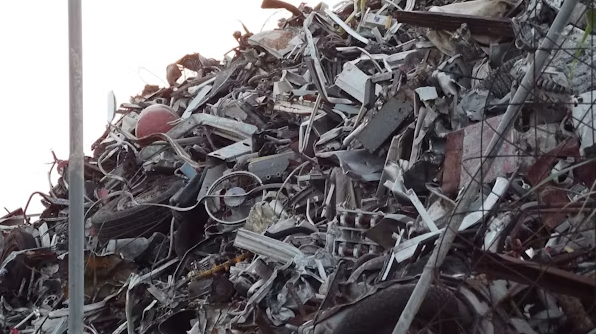

Most operations budget carefully for materials, labour and plant, then watch a genuine asset leave the gate in a mixed skip. Offcuts, rejected fabrications and stripped cable get handled as rubbish because nobody has ever cost them properly. Scrap metal sits in that blind spot, absorbing disposal fees instead of returning value to the business.
The shift starts with a change in category rather than a change in equipment. Treated as a managed output with bins, grades and a fixed collection schedule, scrap metal becomes a reliable income stream that offsets waste costs and strengthens site margins. Your yard stops functioning as a dumping ground and starts behaving like a revenue centre.
The Real Cost of Treating Metal Offcuts as Rubbish
Value That Leaves Site in the Back of a Skip: Metal thrown into general waste is paid for twice, once in disposal fees and again in recovery value that is never claimed. Copper offcuts, stainless trim and heavy steel all carry different market prices, so mixing them into one bin collapses that difference into landfill weight. The loss stays invisible because it never appears as a line item.
Delay That Narrows the Options Available: Postponed clear-outs shrink the choices a site has later. Material left uncovered picks up timber, plastic and concrete dust, which drags the whole load down a grade. In everyday yard practice, operators routinely see months of accumulation cleared under time pressure and priced as mixed material rather than as sorted, saleable streams.
See also: Why Professional Teeth Whitening Delivers More Predictable Results Than Store-Bought Products
Containment and Segregation That Turn Piles into Cash Flow
Bins Positioned Where the Offcuts Actually Fall: Segregation works when containers sit within a few steps of the saw, the press or the strip-out zone. Crews sort correctly when sorting is the easiest available option, not the tidiest one. Placing labelled bins at the point of generation keeps scrap metal clean, protects grade value and removes costly double handling.
Collection Booked to a Rhythm, Not a Crisis: Scheduled collection takes the guesswork out of yard management. Fixed intervals matched to production volume stop containers overflowing and keep access lanes clear for deliveries and plant movement. Each movement also generates chain of custody documentation, giving the site a traceable record of what left, when it left and where it went.
Weight Tickets and Grade Breakdowns That Make Income Predictable
Documentation That Turns Tonnage into a Forecast: A weight ticket is the point where waste quietly becomes data. Recorded consistently across a job, ticket volumes show how much metal a particular build or process throws off each week. That history supports material flow accounting, letting finance teams project recovery income rather than treating every payment as a windfall.
Grade Detail That Explains Why Two Loads Differ: Grade breakdowns show why one truckload returns more than another of identical weight. Separated copper, brass, aluminium and stainless each settle at their own rate, while mixed steel sits well below them. Reading those breakdowns tells a site which streams reward tighter sorting and which rarely justify the extra labour.
Mixed Waste Skips Compared with Dedicated Metal Collection
Where a General Waste Skip Still Earns Its Place: General waste skips remain the practical choice for sites producing small, irregular quantities of metal alongside heavy volumes of timber, plasterboard and packaging. The trade-off is straightforward. Everything inside that bin is charged at a disposal rate, so any metal buried in it becomes a cost rather than a return.
Why Separated Collection Pays on Most Commercial Sites: Dedicated collection suits any operation generating steady, identifiable volumes, which covers most fabrication shops, factories, demolition contractors and construction sites. The trade-off here is discipline, because separated bins only work when crews use them properly and supervisors reinforce the habit. Once that holds, scrap metal moves from the expense column into recovered revenue.
Signals That a Site Is Leaving Money in the Yard
Warning Signs Worth Auditing This Quarter: A short walk around the yard usually reveals whether scrap metal is being managed or merely tolerated. Most losses show up as ordinary habits nobody has thought to question, which is exactly why they survive year after year. The signs below give supervisors a practical checklist before the next collection is booked.
- Offcuts dropped into general waste bins because no dedicated container sits within reach.
- Clear-outs triggered by site visits or audits rather than a fixed collection schedule.
- Weight tickets filed away without anyone comparing returns across similar jobs.
- Copper, brass and stainless left in the same pile as mild steel and galvanised sheet.
- Access lanes narrowing as material sits long enough to collect dust, timber and packaging.
Value That Compounds across Future Projects: Sites that record recovery consistently build something more useful than a tidy yard. Twelve months of weight tickets and grade data let an operations manager report metal revenue beside output, downtime and material spend. That reporting turns a housekeeping task into a measurable contribution the wider business can plan around and defend.
Turning the Waste Bay into a Line on the Balance Sheet
A managed metal stream pays for itself through cleaner sites, lower disposal charges and income that can be forecast rather than hoped for. Every month of delay sends another set of loads out at mixed rates and leaves another quarter without usable figures. Book a site assessment and put a collection schedule in place.
