
Side sleeping feels restful until the body starts protesting at dawn. A numb arm, a stiff shoulder, an aching hip that takes twenty minutes to loosen. Most people blame the position itself, when the real issue sits underneath them. The right mattress topper often settles the problem long before a new bed becomes necessary.
Pressure gathers wherever the body meets the bed across the smallest surface area, which for side sleepers means the shoulder and hip carry nearly all the weight when lying on the bed. A well-chosen mattress topper spreads that load across a wider area, so those joints stop bearing it alone. Support stays intact underneath while the surface finally gives where it should.
Where Side Sleeping Concentrates the Most Pressure
The Weight of a Whole Body on Two Small Joints: Side sleeping places most of the body’s weight on two small contact points, the shoulder and the hip, instead of spreading it along the back. On a surface with no give, those joints press into the mattress and the mattress presses back. Blood flow to the area slows, nerves complain, and the arm goes numb by 3 am.
The Shoulder Usually Complains First: The shoulder registers discomfort before the hip because it sits higher and narrower in the lateral decubitus position, the clinical term for lying on one side. Less surface area carries a similar load. A topper that allows controlled sinking lets the shoulder drop into the layer rather than fighting it all night.
Small Aches Rarely Stay Small: Persistent pressure on the same joint tends to escalate rather than settle. Chronic hip loading is one recognised contributor to trochanteric bursitis, an inflammation of the cushioning sac beside the hip bone. Physiotherapists across India routinely see side sleepers who tolerated a hard surface for years and sought help only once daytime movement started hurting too.
See also: What Happens Inside Egyptian Cotton Sheets During Their First 30 Washes
Thickness and Density Decide How Much Relief You Feel
Finding the Right Depth for Side Sleeping: Side sleepers generally need a topper between five and eight centimetres deep, since anything thinner compresses fully under the shoulder and offers no real cushioning. Depth alone will not do the work though. A thick layer with weak internal structure collapses to the mattress surface within minutes and leaves the joint unsupported again.
Density Is What Keeps the Layer Working: Density determines whether a topper holds its shape under sustained weight, which matters more for side sleepers than softness does. Higher-density foam resists the slow collapse that turns a comfortable layer into a flat sheet after a few months. The sensation to aim for is sinking in a little, then meeting steady resistance.
Memory Foam, Latex, and Fibre Fill Compared for Side Sleepers
Memory Foam Contours, Latex Responds: Memory foam suits most side sleepers because it moulds around the shoulder and hip, while latex pushes back more evenly and suits those who dislike the sinking feeling. A memory foam mattress topper traps a little more heat, which matters through humid Indian summers. Latex breathes better and costs noticeably more.
Where Fibre Fill Falls Short: Fibre fill and thin quilted pads add a soft feel but almost no pressure relief, which is why they disappoint side sleepers most often. They flatten under concentrated weight within weeks. The honest trade-off is cost against outcome, and a cheap pad that fails to redistribute load simply postpones the same decision.
Protecting the Mattress Underneath for Years to Come
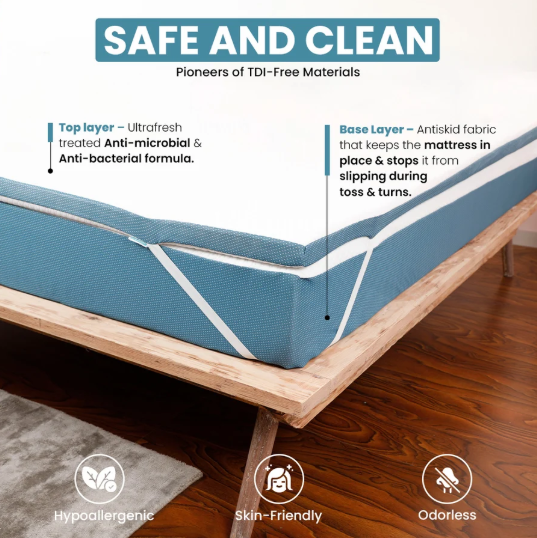
Daily Wear Lands on the Topper First: A mattress topper extends the working life of the bed beneath it by taking the compression, sweat, and friction that would otherwise wear down the mattress core. Replacing a topper every few years costs a fraction of replacing a mattress. For households in warm, humid regions, that protective layer earns its place quickly.
Delaying the Cost of a New Bed: Many mattresses lose their comfort layer long before they lose structural support, and a topper restores the surface without the expense of a full replacement. That extra time matters when a firm bed is otherwise sound. Waiting usually means several more months of poor sleep and the same purchase decision arriving regardless.
Warning Signs Side Sleepers Should Not Ignore
What Your Body Reports Each Morning: Certain signals point clearly to a sleep surface that no longer suits side sleeping, and recognising them early saves months of broken rest. Each one is worth checking against your own mornings before assuming a mattress topper will not help, since the pattern of complaint usually reveals what the sleeping layer is failing to do.
- A shoulder that aches within an hour of lying down signals a surface with too little give.
- Numbness or tingling in the arm points to restricted circulation at the contact point.
- Rolling onto your back repeatedly through the night suggests the body is escaping pressure.
- Morning hip stiffness that eases after ten minutes of walking usually traces back to the bed.
- Visible body impressions in the sleeping surface mean the comfort layer has already given way.
Better Mornings Start with Better Support
Pressure relief without losing support is what separates a restful night from a restless one, and side sleepers tend to feel that difference within days. Every month spent adapting to a surface that does not fit is a month of recovery lost. Speak to a sleep specialist about a topper matched to your build and sleeping position.